

What Is Squalane Oil? (And How to Use in DIY Skincare)
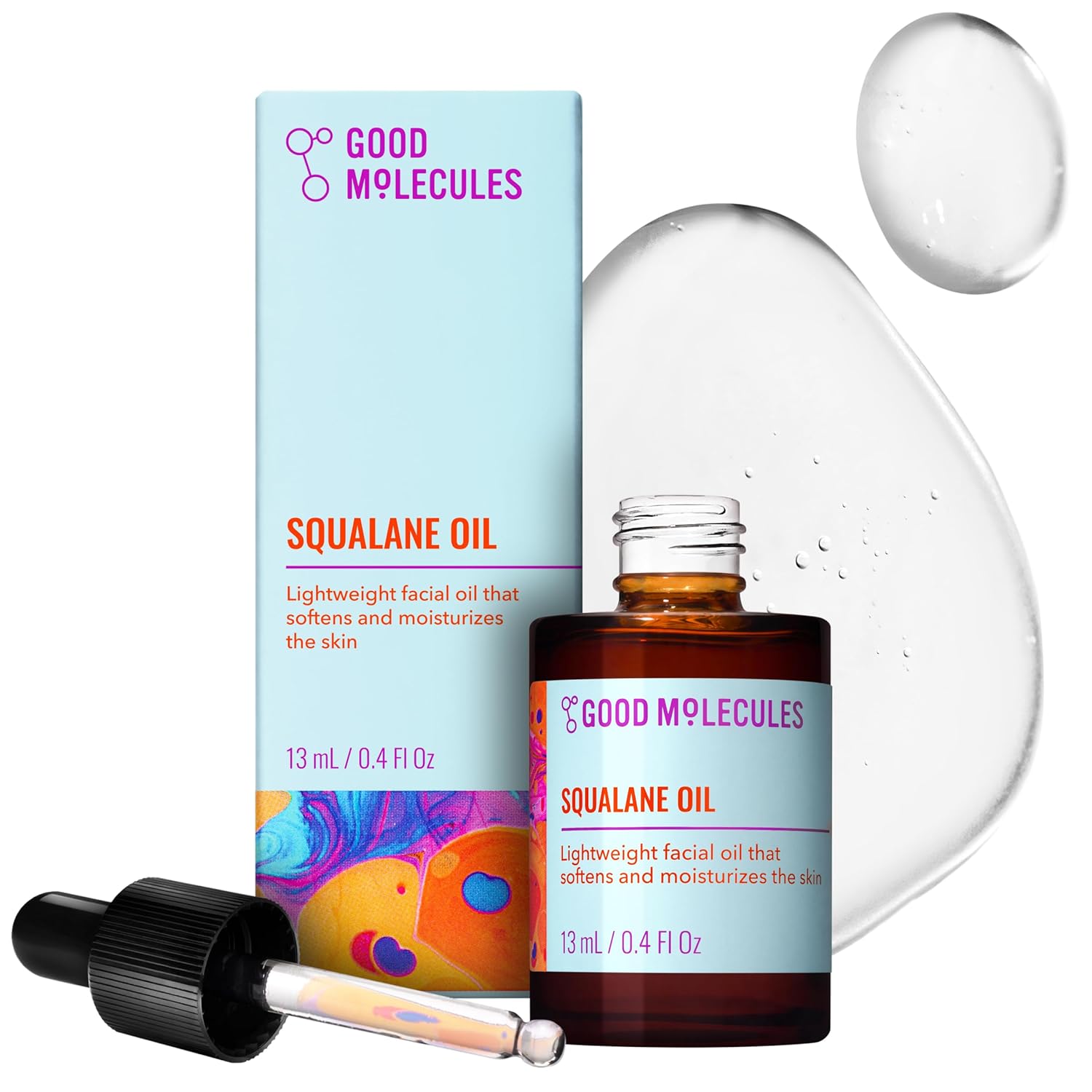
Squalane oil is a lightweight, stable oil derived from squalene—a lipid naturally produced by our skin. In its raw form, squalene is prone to oxidation, so it’s hydrogenated into squalane, which is more shelf-stable and ideal for skincare.
Squalane closely mimics the skin’s natural oils, allowing it to absorb quickly without leaving a greasy residue. It helps lock in moisture, support the skin barrier, and improve softness and elasticity. Because it’s non-comedogenic and gentle, it works well for all skin types, including oily, sensitive, and acne-prone skin.
It’s most commonly derived from olives or sugarcane (vegan-friendly), and you’ll often see it used in high-end, minimalist skincare products because of its silky, “dry touch” finish.
✨ What Squalane Does for Your Skin
Squalane is one of those rare ingredients that works with your skin, not just on it. Because it closely mimics your skin’s natural oils, it absorbs quickly and supports multiple functions at once:
-
Deep hydration (without heaviness)
Helps prevent moisture loss by reinforcing your skin barrier -
Softens + smooths texture
Leaves skin feeling silky—not greasy -
Balances oil production
Can actually help reduce excess oil over time -
Improves elasticity
Keeps skin looking plump and supple -
Enhances glow
Gives that healthy, hydrated “lit-from-within” look

🧪 Does Squalane Have Vitamins?
Squalane itself is not vitamin-rich like some plant oils—but that’s actually part of its strength.
- It’s primarily a stable emollient lipid, not a nutrient-heavy oil
- Naturally associated with vitamin E presence in the skin, helping support antioxidant activity
- Often paired with vitamin-rich oils (like rosehip or avocado) in formulations
👉 Think of it as a delivery + performance booster rather than a nutrient oil
👩 Is It Good for Mature Skin?
Yes—excellent for mature skin.
As we age, natural squalene levels in our skin decline significantly, which leads to:
- dryness
- loss of elasticity
- dullness
Squalane helps replace that lost lipid, which can:
- Restore softness and suppleness
- Improve the appearance of fine lines (from dehydration)
- Support a stronger skin barrier
- Give skin a smoother, more radiant look
👉 It’s especially powerful in anti-aging / glow-focused products
🩹 Is It Good for Damaged or Compromised Skin?
Also yes—this is one of its biggest strengths.
Squalane is ideal for:
- Dry or flaky skin
- Over-exfoliated skin
- Barrier damage
- Sensitive or reactive skin
Why it works:
- Reinforces the skin’s natural lipid barrier
- Reduces moisture loss
- Non-irritating and very gentle
- Helps skin recover without clogging pores
👉 It’s often used in barrier repair routines
🌿 Who Should Use Squalane?
Great for:
- Dry skin
- Mature skin
- Sensitive skin
- Acne-prone skin
- Combination skin
Not ideal for:
- If you want heavy occlusion (like thick butters provide)
💡 How It Performs in Your Products
In your body butters and oils, squalane will:
- Cut that heavy, greasy feel
- Speed up absorption
- Make formulas feel luxury / high-end
- Improve spreadability
👉 This is why it’s used in so many premium skincare lines
Squalane isn’t about adding vitamins—it’s about making your skin function better.
It’s one of the best ingredients for:
- restoring hydration
- improving texture
- creating that smooth, glowing finish
…and it works beautifully across almost every skin type.
✨ Why It’s So Good in DIY Skincare
- Lightweight + fast absorbing
- Boosts hydration without heaviness
- Improves spreadability of formulas
- Adds a luxury skin feel
- Helps reduce greasy after-feel in butters

Shop My Ingredients: My Favorite Soap & Bath Making Supplies – Blue Dragonfly Handmade
💧 Squalane vs Jojoba vs Grapeseed Oil (Which One Is Best?)
Choosing the right oil can completely change how your skincare feels and performs. While all three are great, they each offer very different textures, absorption speeds, and benefits.
✨ Quick Comparison
💧 Squalane Oil
Best for:
- Mature skin
- Dry or damaged skin
- High-end / luxury formulations
Texture: Ultra-light, silky, non-greasy
Key Benefits:
- Mimics skin’s natural oils
- Fast absorption
- Strengthens skin barrier
- Improves softness + elasticity
💡 Use this when you want your products to feel expensive and weightless
🌿 Jojoba Oil
Best for:
- Balanced, everyday skincare
- Acne-prone or combination skin
Texture: Light but slightly richer than squalane
Key Benefits:
- Closely mimics skin’s sebum
- Helps balance oil production
- Very stable and long shelf life
- Great for both face and body
💡 Your “all-purpose” oil that works in almost everything
🍇 Grapeseed Oil
Best for:
- Oily or acne-prone skin
- Lightweight, budget-friendly formulas
Texture: Very thin, dry, fast-absorbing
Key Benefits:
- Extremely lightweight
- High in linoleic acid
- Helps reduce greasy feel
- Absorbs almost instantly
💡 Perfect for cutting heaviness in body butters
🧴 Which One Should You Use?
👉 Choose Squalane if you want:
- Luxury feel
- Fast absorption
- Mature or dry skin support
👉 Choose Jojoba if you want:
- Versatility
- Balanced hydration
- Skin-mimicking oil
👉 Choose Grapeseed if you want:
- Ultra-lightweight formulas
- Budget-friendly option
- Non-greasy finish
💡 Pro Tip (Best Results)
You don’t have to choose just one.
The best formulas combine them:
- Squalane → texture + absorption
- Jojoba → balance + stability
- Grapeseed → lightweight feel
👉 This is exactly how you create high-performing, non-greasy body butters and oils
🧴 How to Use Squalane in Your Products
1. 🧁 Body Butters
How much to use: 5–15%
How to incorporate:
- Add during the cool-down phase (after melting oils/butters)
- Blend before whipping
What it does:
- Cuts greasiness from shea/cocoa butter
- Makes texture smoother + silkier
- Improves absorption
👉 Example tweak:
Replace part of your liquid oil (like almond or jojoba) with squalane for a more luxe finish.
2. 🌿 Facial Oils / Serums
How much to use: 30–100%
How to use:
- Use alone as a simple moisturizer
- Or blend with oils like rosehip or jojoba
Why it works:
- Won’t clog pores
- Feels weightless on skin
- Perfect for “minimal ingredient” products
3. 🧼 Lotions & Creams
How much to use: 2–10%
How to incorporate:
- Add to oil phase or cool-down phase
What it does:
- Improves glide + slip
- Gives a soft, velvety finish
- Makes formulas feel more high-end
✨ 4. Lip Balms & Glossy Products
How much to use: 5–20%
Benefits:
- Adds shine without stickiness
- Feels lightweight vs heavy oils
- Great alternative to castor oil for a thinner gloss
💎 5. High-End / “Luxury” Formulas
If you want your products to feel premium, this is key.
Use squalane alongside:
- Mango butter (light + creamy)
- Kokum butter (dry-touch)
- Jojoba oil (skin-mimicking)
👉 This combo = fast-absorbing, non-greasy, expensive feel

Shop My Ingredients: My Favorite Soap & Bath Making Supplies – Blue Dragonfly Handmade
⚠️ Formulation Tips
- Always add below ~40°C (104°F) to preserve quality
- Store in a cool, dark place
- A little goes a long way—don’t overuse
- Works well in both whipped and non-whipped products
💡 Easy Upgrade for Your Existing Recipes
Take your current body butter and:
- Remove 5–10% of your liquid oil
- Replace with squalane
✔ Less greasy
✔ Faster absorption
✔ More “store-bought luxury” feel
💬 Final Thoughts
Squalane is one of the easiest ways to take a basic DIY product and make it feel professional and high-end.
If your goal is:
- better texture
- better absorption
- more premium branding
…it’s 100% worth incorporating.


